
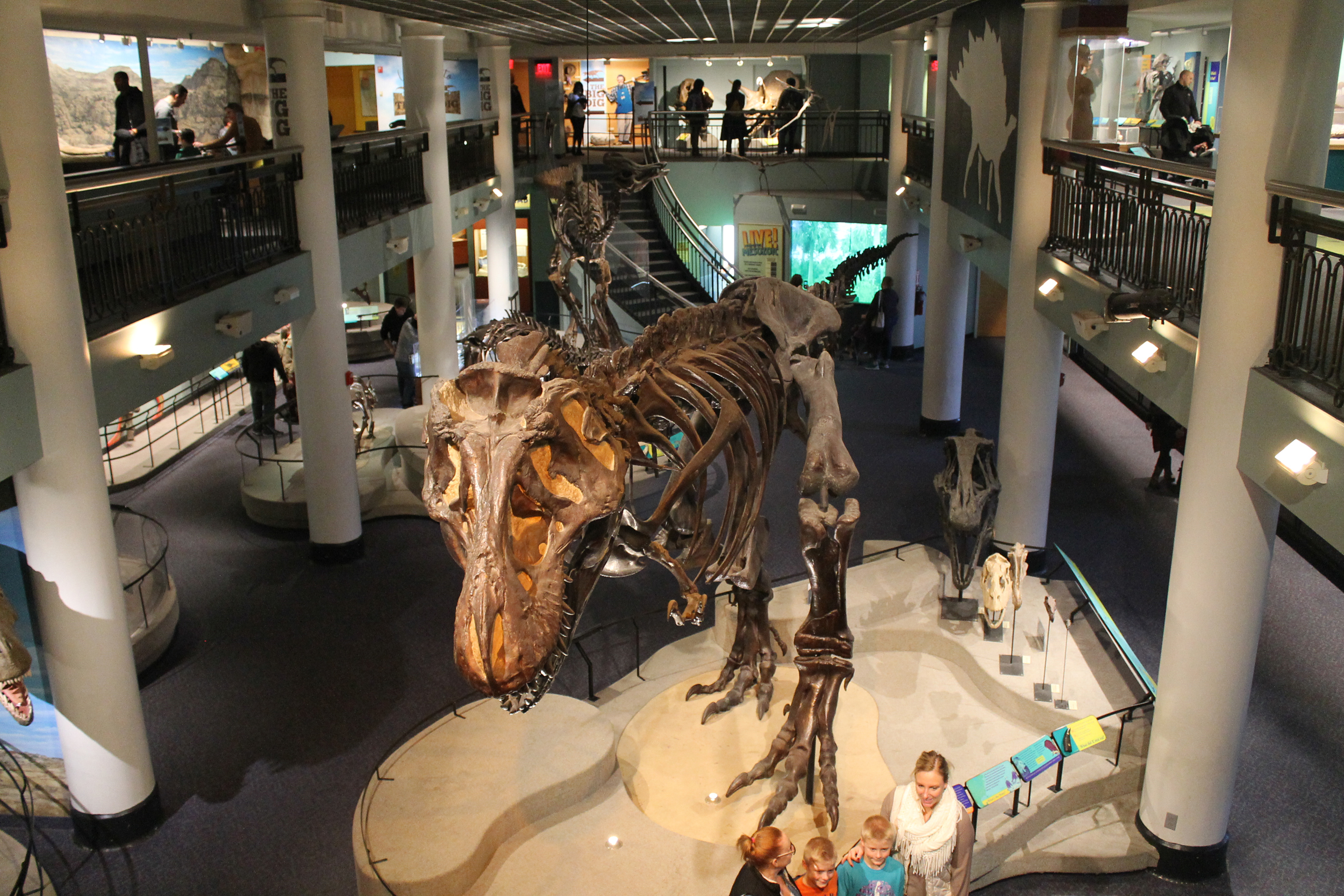
Bad news this week: on Tuesday, September 1st, the longest-operating natural history museum in the United States announced its imminent closure. The Academy of Natural Sciences (ANS) in downtown Philadelphia is set to close forever on September 27. Dozens of staffers will be laid off, and millions of Philadelphians will be robbed of this hub for exploring the wonders of the natural world.
The silver lining is that ANS will not cease to exist as a research organization—at least not yet. The powers-that-be intend to continue stewarding the collection of some 19 million objects. As of now, no details have been announced regarding where that will happen or what it will look like, especially given that plans are underway to sell the building that houses the museum.
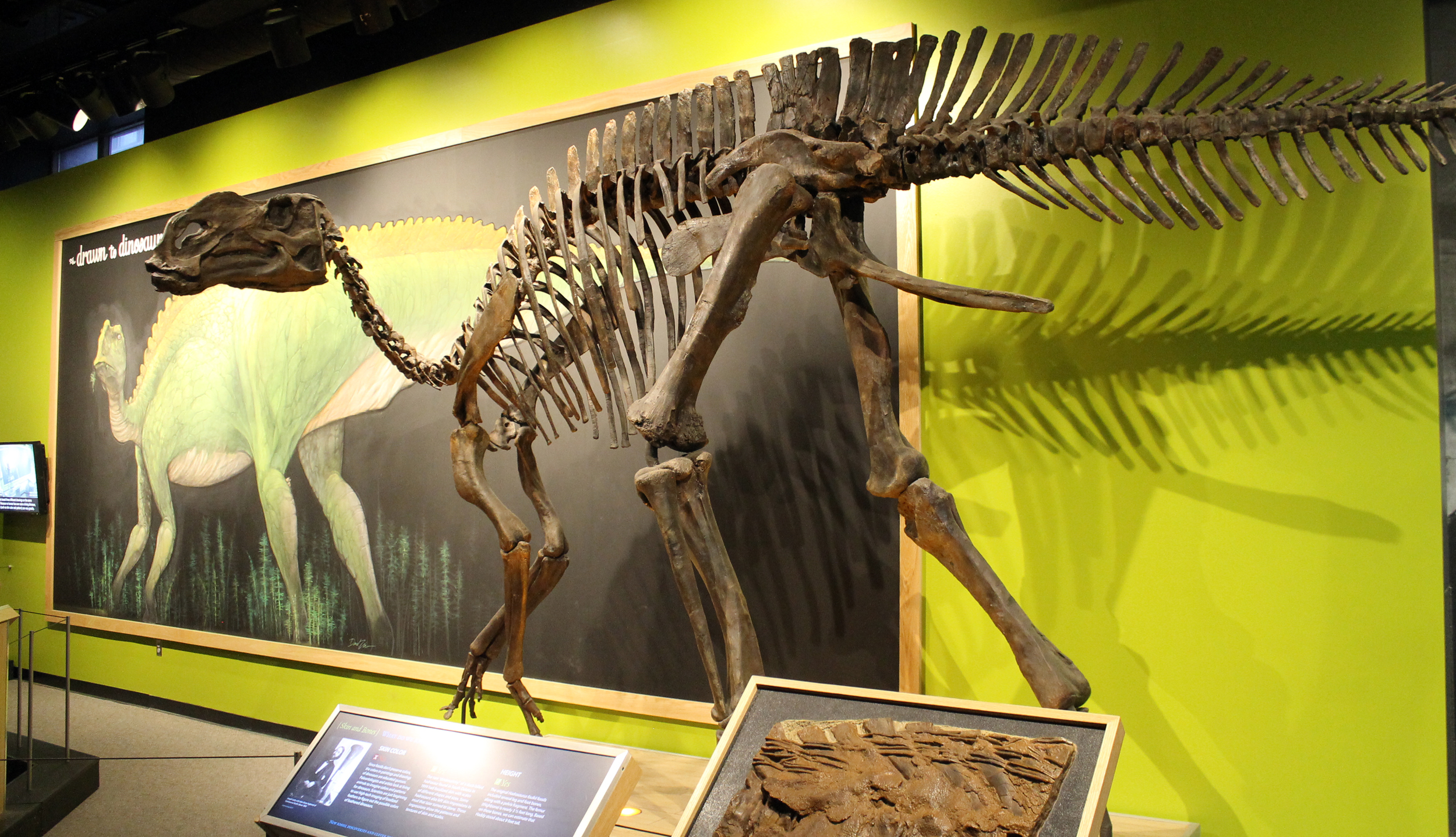
It’s nice to know that the ANS collection (which includes thousands of holotypes, plants and animals collected by Thomas Jefferson, Lewis and Clark, and James Audubon, and the Hadrosaurus fossils that were used in the first mounted dinosaur skeleton ever constructed) aren’t in imminent danger of being homeless. But that does little to ameliorate the loss of a museum that has been in its current location since 1876. Non-accessioned exhibit components are likely to be sold off or trashed. That will include the dismantling of 37 habitat dioramas (most of which date to the 1930s) and, of course, the dinosaur hall.
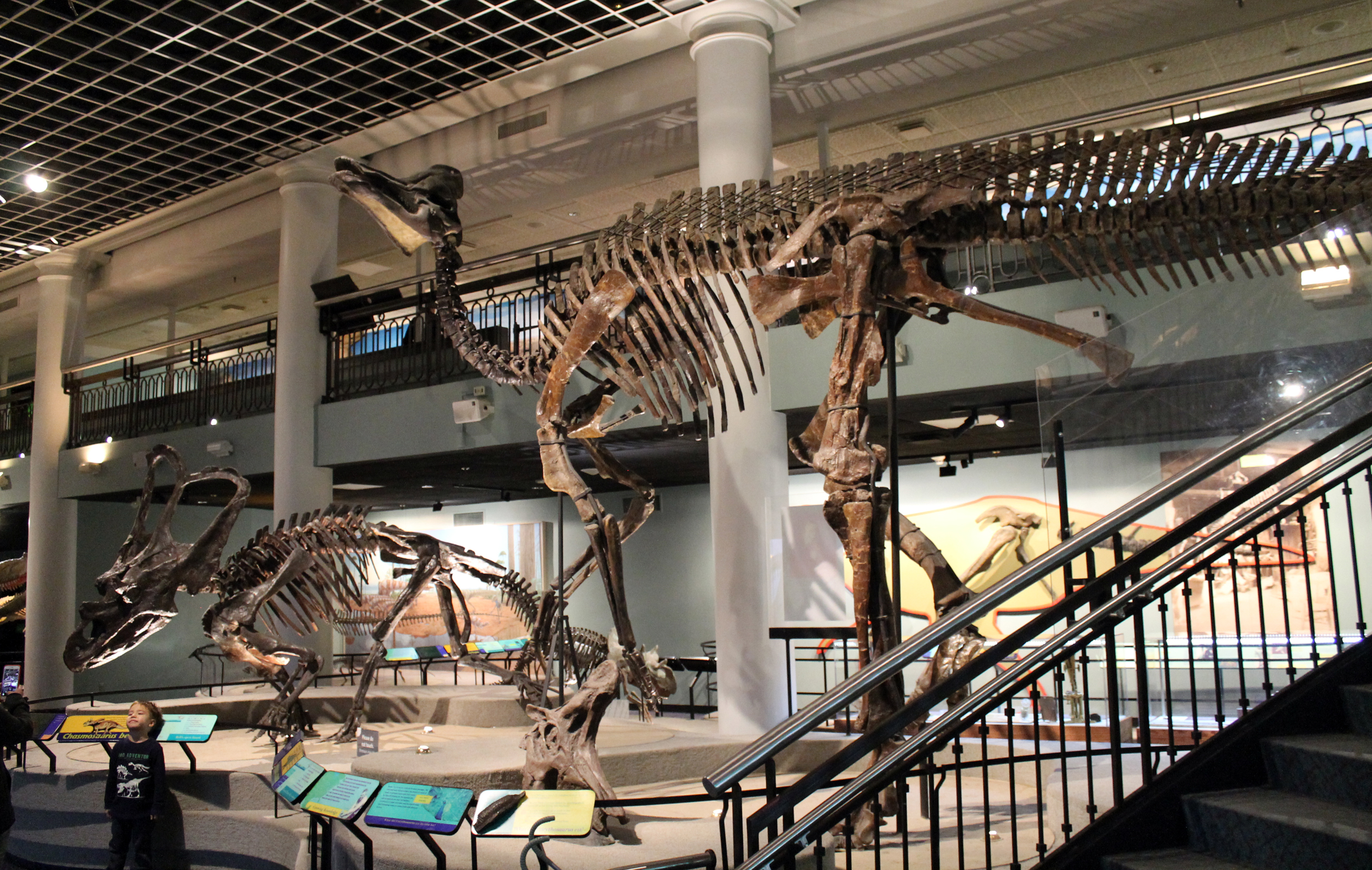
The ANS dinosaur hall is significant because it was the first permanent dinosaur exhibition to fully commit to the ideas of the dinosaur renaissance: it blazed a trail in 1986 by showcasing active, socially sophisticated dinosaurs and highlighting their similarities with modern birds. The T. rex at the front of the hall is a cast of AMNH 5027 and represents the first time that archetypical specimen was displayed with it’s correct, horizontal posture. While most of the complete dinosaurs on display are casts from other museums, the Corythosaurus (masterfully mounted by Ken Carpenter in 1982) is composed of real fossils.
So how did we get here? Contrary to speculation that has been running rampant on social media, the Trump administration did not shut down ANS as part of an anti-science or anti-evolution agenda. While natural history museums have been downstream of some of this administration’s reckless cuts to agencies like NSF and IMLS, Trump and his cronies do not seem to care about them specifically.
The actual issue is money. Like most museums in the United States, ANS is a private nonprofit organization. It is not an appendage of the city or the state, and therefore doesn’t answer to the government or depend on its support. But ANS has been on shaky financial ground for a while. After taking a serious hit in the years following the 2008 recession, it joined forces with Drexel University in 2011 (while retaining its own board and leadership), a move that may well have saved the institution in the short term. Unfortunately, Drexel has spent the last decade floundering in a financial meltdown of its own. And with ANS attendance stubbornly low, Drexel has been covering a large portion of the museum’s operating costs for several years. Drexel got a new president—economist Antonio Merlo—last year, and apparently he does not see supporting ANS as a worthwhile expenditure. Without Drexel’s support, ANS has no way of covering its expenses and no choice but to close.
This wasn’t inevitable. The writing was on the wall for some time, as ANS cut back its operating schedule to five days a week, then to just three days. Any number of actors, including the city of Philadelphia and the state of Pennsylvania, could have stepped in, recognizing that a local natural history museum is a public good.
What can be done? The choice to notify the public less than four weeks before closing is telling. It suggests to me that the decision makers want to get this over with quickly, before the public or any outside entities can get organized and fundraise to save the museum. But that doesn’t mean people aren’t trying. The most important person to follow right now is Dr. Sarah McAnulty. McAnulty is a biologist, artist, and well-established science communicator who runs outreach programs like Skype a Scientist and Squid Facts. She is leading a rally in front of the museum on September 8—RSVP here.
If you feel you have a stake in this and can’t show up in person, Drexel is probably the most effective pressure point. Call them up, make them feel bad, and make them look bad for cutting off ANS. It’s also worth contacting the Philadelphia mayor’s office and letting them know that you’re holding them accountable. There are also two petitions circulating, but in general, signing an online petition doesn’t matter a whole lot. Pick up the phone and tell people you care!
Update: there is now a website coordinating efforts to fight the closure: save-the-academy.org. You’ll find contact information, news roundups, and more there.


Thank you again, for helping sound the horn on this. It’s been an emotional week. Lots of stuff has come to light within the past few days that I a) wasn’t previously at liberty to talk about and b) have yet to post about publicly in a coherent format. So I will try to do that here.
As has been reported briefly by local news, despite it not being mentioned in the formal (and presumably legally binding) agreements between the university and the Academy, Drexel’s plan is to sell the building — a far cry from their supposed priority to continue operating and maintaining the research and collections. I obviously wouldn’t be the first to tell you that the historic Hadrosaurus and Dryptosaurus types have endured 160+ years of pyrite disease and it’s risky to even touch some of those bones, let alone move them to some other (undoubtedly less suitable and protected) location with only a few months’ notice. And that’s only two specimens among the 20 million+ that are now potentially at risk.
Real estate developers have been prowling the Ben Franklin Parkway for years. The current round of plans to renovate and beautify the Parkway have been stuck in typical city gridlock for close to two decades (this article about it actually quotes the now-departing Academy president), so in the meantime private developers have been attempting to negotiate with the city to tear up various surrounding properties. The old Family Court Building across the square from the Academy has been sitting empty for as long as I first moved to the city because a rotating cast of different developers have been trying (and failing) to turn it into a hotel. It never works because the interior is under a very specific set of protections only granted to a couple other historic sites in the city, and tbh is only really suited for a museum or library or something similar. At one point the African American Museum was slated to move in from across the city — a perfect fit, now in a spot along the Parkway with the rest of the cultural institutions where people can actually see and visit it! — until the next plan unceremoniously shoved that site a block to the north, behind the Family Court Building, which the developers were trying to turn into a hotel again. Both those proposals fell through. (Notably, despite being on the historic register, the Academy does not have those specific interior protections.)
Ultimately this is part of a larger pattern afflicting the scientific and cultural institutions of the city. When the Philadelphia History Museum closed in 2018 Drexel also assumed ownership over their collections and, to be blunt, have done jack and shit with putting them on permanent display since then. The Pennsylvania Academy of Fine Arts ceased offering degree programs last year. (I can talk at length about the Franklin Institute, but that might be a story for private channels…) And the city has also been complicit in helping tear up public schools to replace them with low-density residential properties.
I’ll stop there for now. But it ain’t over til it’s over.
My fear is they’ll see it all off in the end. If Drexel is not as well off it is likely they’ll see this as easy money.
Likely AMNH, FMNH, NMNH and others would fight over it like hyenas.